

The Spectator
Diabetes and Your Eye Health: What You Need to Know
8 Jun 2026
Eye Health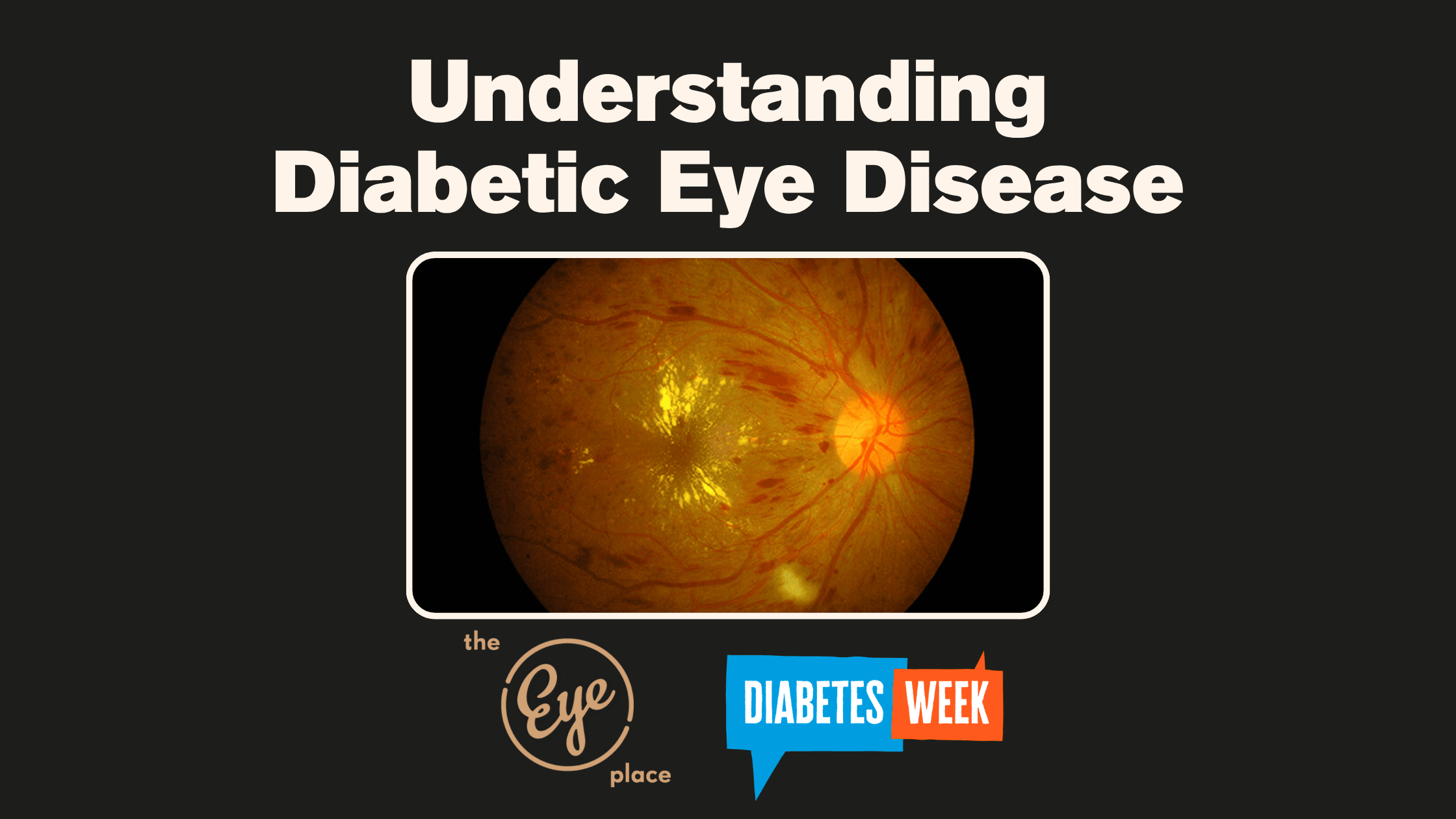
Diabetes affects millions of people worldwide and can have a significant impact on overall health, including vision. High blood sugar levels can damage the delicate vessels and nerves in the eyes, increasing the risk of serious eye conditions that may lead to vision loss if untreated.
At The Eye Place, we believe that education and regular eye examinations are key to protecting your sight. Understanding how diabetes affects your eyes can help you take proactive steps towards maintaining healthy vision.
What is Diabetic Eye Disease?
Diabetic eye disease is a group of eye conditions that can develop as a result of diabetes. These conditions often progress gradually and may not cause noticeable symptoms in their early stages, making routine eye exams especially important.
People with both Type 1 and Type 2 diabetes are at risk, particularly if blood sugar levels have been elevated over a long period.
Common Eye Conditions Associated With Diabetes
Diabetic Retinopathy
Diabetic retinopathy is the most common diabetes-related eye condition and a leading cause of vision loss among adults. It occurs when high blood sugar damages the tiny vessels in the retina (the light sensitive tissue at the back of the eye). These blood vessels may leak fluid or become blocked, preventing the retina from functioning properly.
In its early stages, diabetic retinopathy often has no symptoms, so regular eye examinations are critical for early detection. As the condition progresses, you may notice:
- Blurred vision
- Floaters or dark spots
- Difficulty seeing at night
- Vision loss in advanced stages
Diabetic Macular Oedema (DMO)
Diabetic macular oedema develops when fluid leaks into the macula, the central part of the retina responsible for detailed vision. DMO can make everyday activities such as reading, driving, and recognising faces more difficult.
Common symptoms include:
- Blurred central vision
- Distorted vision
- Difficulty reading
- Colours appear faded
Early diagnosis and treatment can help preserve vision and prevent further damage.
Cataracts
Cataracts occur when the eye’s natural lens becomes cloudy. While cataracts are common with aging, people with diabetes often develop them at a younger age and experience faster progression. Diabetes may accelerate cataract formation by causing excess sugar-related changes in the lens, which can lead to clouding and reduced vision.
Symptoms may include:
- Blurry or clouded vision
- Increased glare from lights
- Difficulty seeing at night
- Frequent changes in spectacle prescription
- Faded colours
Luckily, cataract surgery is a highly effective treatment when vision becomes significantly affected.
Glaucoma
Diabetics have a higher risk of developing glaucoma, as diabetes can damage the blood vessels and reduce healthy blood flow to the optic nerve. This can leave the nerve more vulnerable to damage, especially when eye pressure is high. Glaucoma is another sneaky eye condition that can cause irreversible vision loss before noticeable symptoms appear.
What to look out for:
- Gradual loss of peripheral vision
- Blurred vision
- Eye pain
- Headaches
- Halos around light
Routine eye pressure testing and optic nerve evaluations are essential for early detection.
Dry Eye Syndrome
Diabetes can affect the nerves and glands responsible for maintaining healthy tears, leading to dry eye symptoms.
Symptoms include:
- Burning or stinging sensations
- Eye redness
- Excessive tearing
- Gritty feeling in the eyes
- Fluctuating vision
Although often overlooked, dry eye syndrome can significantly impact the comfort and quality of life.
Risk Factors for Diabetic Eye Disease
Several factors can increase the likelihood of developing diabetes-related eye conditions.
- Poor blood sugar control
- High blood pressure
- High cholesterol
- Long duration of diabetes
- Smoking
- Pregnancy in woman with diabetes
- Missing regular eye examinations
How to Protect Your Vision
Maintaining good eye health is key to reducing the risk and delaying the onset of diabetes-related eye complications.
- Schedule regular comprehensive eye exams
- Maintain a consistent blood sugar level
- Control blood pressure and cholesterol
- Avoid smoking
- Report any vision changes promptly
Your Vision Matters
Diabetic eye disease can develop without warning, but regular eye care can make a significant difference.
Our experienced team is dedicated to helping patients with diabetes protect their vision through comprehensive examinations, advanced diagnostic technology, and personalised treatment plans.
If you have diabetes or are experiencing changes in your vision, book an eye exam today. Protecting your eyesight starts with early detection and ongoing care