

The Spectator
What is Myopia and Why is it Increasing in Children?
17 Apr 2026
Eye Health
Myopia, or short-sightedness, is becoming increasingly common in children worldwide. While it may seem like a simple need for glasses, the growing prevalence of myopia is now recognised as an important public health concern. Understanding why this is happening, and what can be done, can help parents take proactive steps to protect their child’s vision.
What is Myopia?
Myopia is a common refractive eye condition where close objects appear clear, but distant objects are blurry. Affecting 1 in 3 people in the UK, it often begins in childhood and progresses as the eyeball grows. In myopic eyes, the eyeball elongates or the cornea is too curved, causing light to focus in front of the retina rather than directly on it.
Children who develop myopia at a younger age are more likely to experience faster progression and higher levels of short-sightedness later in life.
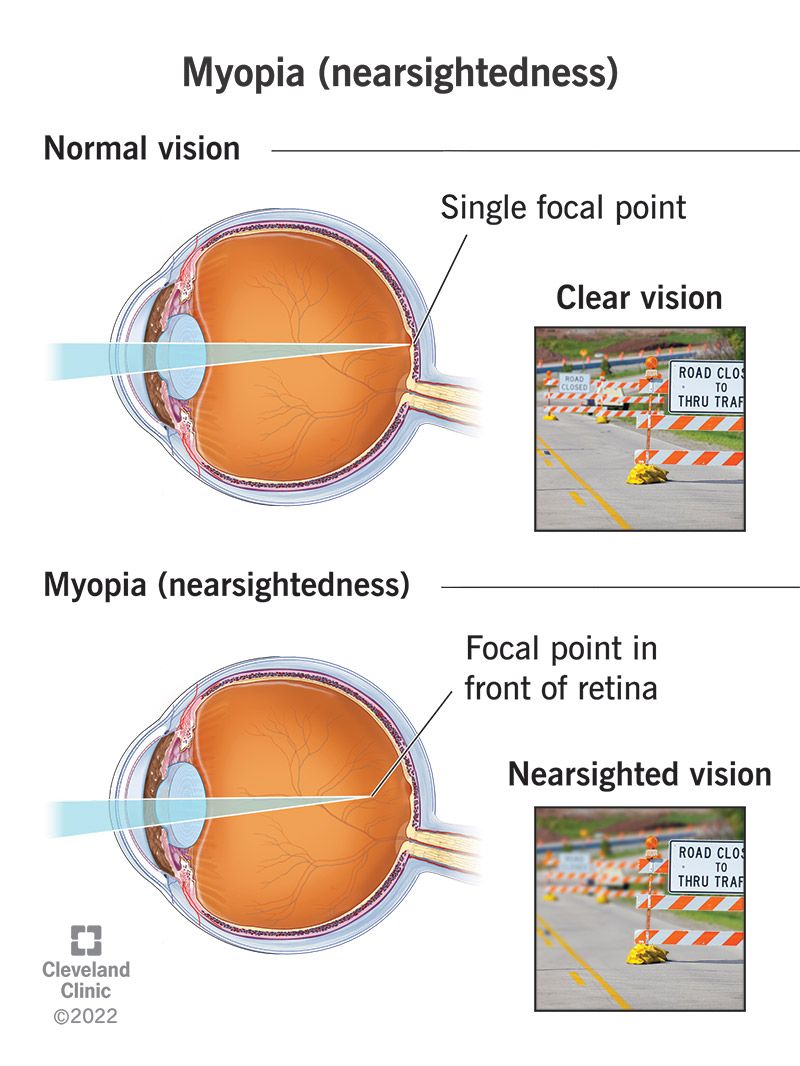
A Growing Global Concern
Research indicates a clear and concerning trend: myopia is increasing rapidly worldwide, with prevalence rates climbing significantly over just a few decades. A large meta-analysis involving over five million children found a persistent upward trend, with projections suggesting that 740 million children and adolescents could be affected by 2050.
Why is Myopia Increasing in Children?
Research, including findings supported by Fight for Sight, suggests that myopia development is influenced by a combination of genetic and environmental factors.
1. Increased Screen Time
Children today spend more time on screens (phones, tablets, and computers) than ever before. Activities that require prolonged focus at close distances are linked to changes in eye development.
2. Reduced Time Outdoors
One of the most significant factors identified is lack of outdoor exposure. Studies show that children who spend more time outdoors are less likely to develop myopia. Natural light is thought to stimulate biological processes in the retina that help regulate eye growth.
3. Lifestyle Changes
Pandemic-related lockdowns accelerated screen use and reduced outdoor activity, contributing to increased rates of myopia in children.
3. Genetic Predisposition
Children with one or both parents who are myopic are at higher risk. Ongoing research is even exploring genetic testing to identify children most at risk early on.
4. Educational and Behavioural Factors
Modern learning environments often involve extended periods of reading, writing, and screen use, with fewer breaks and less outdoor time, further increasing risk.
Why Early Detection Matters
Myopia is more than just needing specs. Higher levels of myopia can increase the risk of serious eye conditions later in life, including retinal issues and other complications linked to the stretching of the eye.
The earlier myopia is identified, the better it can be managed. Regular eye exams are key to monitoring changes and slowing progression where possible.
In children, this can be more challenging as their eyes have a strong ability to focus, known as accommodation. Because this focusing system is highly responsive, children can often adapt well to small changes in vision and may not notice early signs of blur. This can make myopia harder to detect in its early stages. For this reason, eye care professionals may sometimes use cycloplegic eye drops to help relax focusing during an examination, allowing for a more accurate prescription.
How Can Parents Help Prevent or Slow Myopia?
While full prevention is not always possible due to genetics, evidence-based strategies suggest you can significantly reduce the risk and slow its progression in children.
Aim for at least 1-2 hours of outdoor activity daily. Exposure to natural light stimulates the release of dopamine in the retina, which helps regulate eye growth and prevents the eyeball from growing too long.
2. Manage Screen Time
Limit prolonged use of digital devices and encourage regular breaks. Follow the 20-20-20 rule: Take breaks every 20 minutes by looking at something 20 feet away for 20 seconds to relax focusing muscles.
3. Balance Near Work
Ensure children take frequent breaks during reading, homework, or screen use to reduce sustained eye strain.
4. Schedule Regular Eye Exams
Routine eye exams allow early detection and timely management, especially for children with a family history of myopia.
5. Consider Myopia Control Options
At The Eye Place, we’re proud to offer specialist myopia management products which can slow the progression of the condition. These products have undergone extensive trials and results have shown that with consistent use, myopic progression was slowed by up to 60%.
- MiYOSMART Spectacle lenses are an innovative new lens, designed specifically for children in mind, that use Defocus Incorporated Multiple Segments Technology that helps slow the growth of the eyeball whilst providing clear vision. The results of the 2-year clinical trial showed that they slowed the progression of myopia by up to 60%.
- MiSight contact lenses are a soft, daily contact lens that have a unique ActivControl technology featuring correction and treatment zones. The correction zones provide vision correction, while the treatment zones provide myopic defocus to control the elongation of the eye, and are proven to reduce myopia by up to 59%
- Orthokeratology contact lenses are rigid gas permeable lenses that are used to flatten the cornea overnight. The lenses are designed to be worn while you sleep and removed in the day, providing vision correction without the need for glasses or contact lenses.
A Proactive Approach to Children’s Eye Health
The rise in myopia is closely linked to modern lifestyles, but this also means there are practical steps families can take to make a difference. By encouraging outdoor play, managing screen habits, and prioritising regular eye care, parents can help protect their child’s long-term vision.
Myopia may be increasing, but with awareness and early detection, its impact can be significantly reduced.
If you have any concerns about your child’s vision, book an eye exam at The Eye Place, or speak to one of our expert team for personalised advice and management options.